All states require drivers to have car insurance, and each state has distinct minimum coverage requirements. If you live in Virginia and don’t want get into legal trouble, we recommend getting car insurance today!
Blog Posts
This is the Blog Posts for UltraCar Insurance. Your source for SR22 & FR44 Insurance.
Reasons Why Getting Car Insurance Is A Good Idea

What Kind of Car Insurance Do You Need?
Are you facing penalties for driving without insurance and seeking insurance to reinstate your license? Wondering what kind of insurance policy you need? SR-22 and FR-44 are high-risk insurance policy options for car owners, non-owners, and motorcycle owners. This auto insurance guide outlines standard, optional, and high-risk insurance choices that assure your compliance with state motor vehicle laws.
Car insurance provides financial protection if you cause an accident that results in property damage or injury. It protects against monetary loss

Getting Auto Insurance Without A Car
Suppose the state suspends your driver’s license for a traffic violation while driving a borrowed vehicle. In that case, you’ll need SR22 non-owner auto insurance to reinstate your license. In Virginia, you’ll file an SR22 certificate for non-alcohol or non-drug offenses; but for license reinstatement after a DUI conviction, the state requires an FR44 certificate filing.
Yes, it’s possible, wise, and sometimes necessary to buy “auto” insurance even if you don’t own a vehicle. It’s called non-owner auto insurance, and

FR44: How To Get It and How Long You Need To Keep It
A license suspension resulting from a DUI violation may leave you wondering how to get Virginia FR44 insurance and how long you need to keep it. You’ll want to look for a reputable high-risk insurance provider to help you with a suitable owner or non-owner policy. They will take care of filing your FR44 certificate with the DMV to reinstate your license.
Contrary to popular belief, FR44 certificates are not a type of auto insurance policy.

How To Reinstate Your License After A DUI Violation in Virginia
Getting a DUI conviction leads to license suspension, which means having to file an FR44 certificate to reinstate it. A court or the Virginia DMV levy severe consequences for driving under the influence of alcohol or drugs. They include having to pay fines, getting more expensive insurance, and installing an IID in your vehicle.
Getting a Virginia DUI license suspension can make life very difficult because safe and affordable public transportation is lacking in many areas. So you want to be able to reinstate your license after a DUI as quickly as possible.
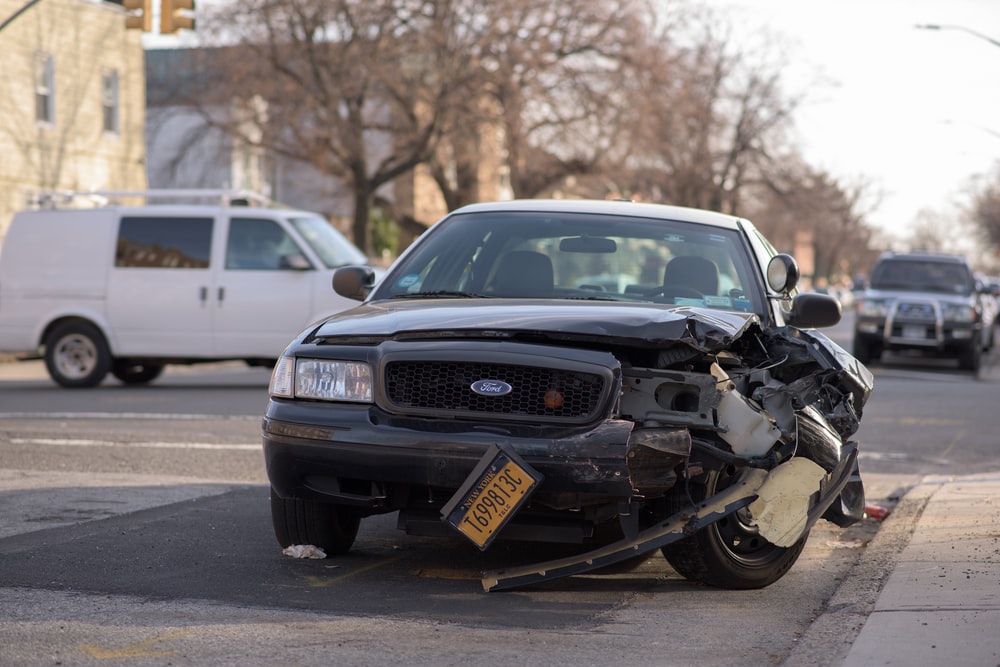
Everything You Need To Know About High-Risk Insurance
High-risk insurance refers to SR-22 and FR-44 insurance certificates. States require drivers to file an SR-22 or FR-44 form to prove financial responsibility before reinstating their license. A reputable insurance provider will attach one of these certificates to an auto or non-owner policy and file your certificate with the state.
You may believe you’re an excellent driver. But accumulating a number of traffic violations or a DUI conviction causes insurance companies to

How to Get Your Suspended Driver’s License Reinstated
There are a variety of ways to get a license suspension, but how do you get your license reinstated? There are several actions you’ll take to regain your driving privileges after a suspension. The final step in the process is to obtain an auto or non-owner insurance policy with an SR-22 or FR-44 filing.
How do you get your suspended license reinstated if you get too many speeding tickets,
A Guide to Filing Non-Owner SR-22 Insurance
Non-owner SR-22 insurance does the same thing as SR-22 auto insurance. But as the name implies, non-owner insurance is for drivers who don’t own a car. If you don’t own a vehicle, a non-owner insurance policy with an SR-22 endorsement allows you to reinstate your driver’s license after a suspension so you can drive a borrowed car on an occasional basis.
Two different SR-22 certifications exist: standard SR-22 auto insurance and non-owner SR-22.
Information About SR-22 Insurance and Ignition Interlock Systems
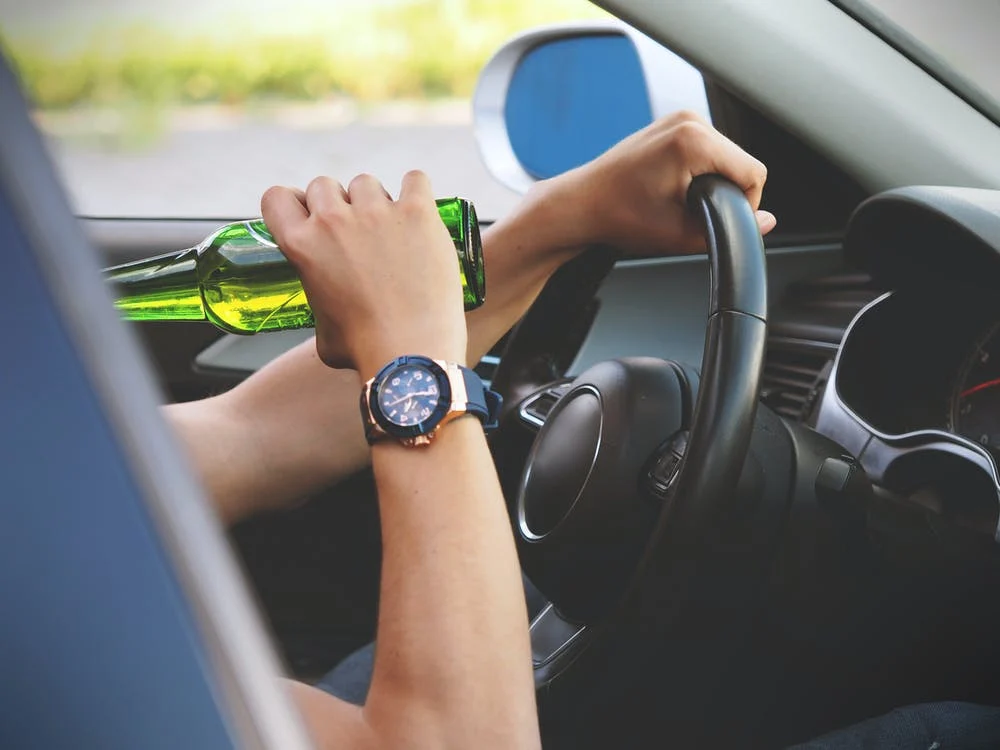
All states require an SR-22 insurance filing and often an ignition interlock installation to reinstate your license after a DUI/DWI violation. In Florida and Virginia, drivers with a DUI conviction will need an FR-44 filing and an IID. This blog post contains critical information about SR-22 insurance and ignition interlock systems.
Not every traffic violation is equally severe; however, each one affects your driving record. Getting a few tickets for speeding will impact your driving record, but more severe violations will complicate things.
How To Avoid Being A High-Risk Driver
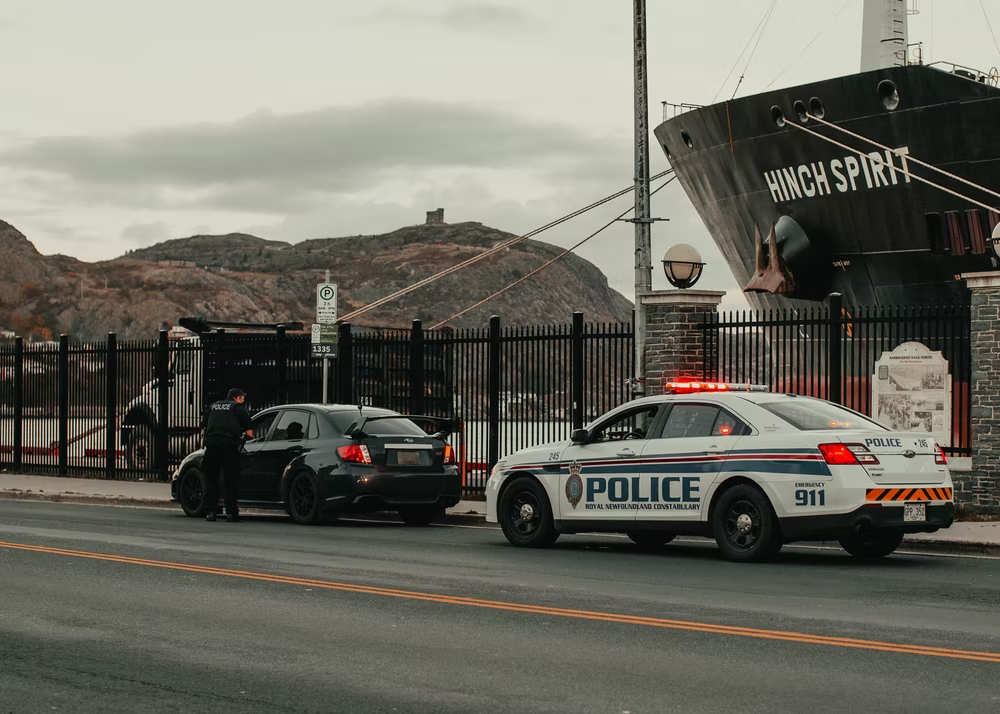
It’s no secret: some drivers are more dangerous on the road than others. Insurance companies understand this even if they don’t like it. They want your business but need to keep their risk low when insuring drivers. As a result, you’ll often see insurance premiums vary, especially for high-risk drivers. This variation indicates the risk the insurance provider takes by insuring these drivers.
It pays to avoid being a high-risk driver. People with spotless driving records generally receive lower insurance premiums. Meanwhile, drivers with a poor