Expert guidance on SR22, FR44, non-owner, motorcycle, and commercial auto insurance coverage.
Explore practical articles from UltraCar Insurance covering filings, coverage options, state requirements, and steps drivers can take to get insured and back on the road quickly.
If you get a DUI in Florida, the penalties can vary based on things like your past driving record. You might face fines, community service, higher insurance costs, ignition interlock requirements, or even jail time. The court or the state could also impose additional penalties.
Oregon SR-22 is a certificate of financial responsibility. The certificate guarantees that you have the minimum state-required insurance coverage. If you need an SR-22 filing, insurance companies may categorize you as a high-risk driver, which can make your insurance coverage more expensive. It’s wise to work with a high-risk auto insurance provider that can secure a suitable policy at the lowest possible rate.
Ready to learn how Florida non-owner FR-44 insurance works? We’ll explain what FR-44 high-risk auto insurance for non-owners is, its costs, and its benefits to drivers with a DUI conviction.
Oregon high-risk auto insurance is a nonstandard insurance policy. Oregon SR-22 insurance is an additional term used by the state and insurance companies to describe this type of insurance. If you require this type of insurance, it indicates that you’re more likely to submit claims than the average driver. Due to this classification, insurance companies will likely require you to pay higher premiums.
Drivers facing a Florida drunk driving conviction will face harsh penalties and fines for DUI in Florida. This blog post covers the reasons for strict DUI laws and the fines and penalties for first-time and subsequent convictions. It also addresses getting a low rate on FR-44 insurance for license reinstatement.
Oregon owner or non-owner SR-22 insurance is a requirement for drivers after a license suspension. Which type of Oregon high-risk auto insurance you need depends on whether you own your vehicle. This blog post describes each type of high-risk auto insurance, what they cover, and the cost.
If you’ve lost your license due to one or more traffic violations, filing for SR-22 insurance in Oregon is the only way to get it back. An experienced high-risk auto insurance provider will help you reinstate your driving privileges. You can attach an SR-22 certificate to a car-owner or non-owner SR-22 policy.
Do you require Florida FR-44 insurance and don’t drive an owned vehicle? The state recently made a change allowing monthly payments on non-owner FR-44 policies rather than the previous six-month, paid-in-full requirement. Based on your risk profile, monthly payments are more manageable for many drivers to afford.
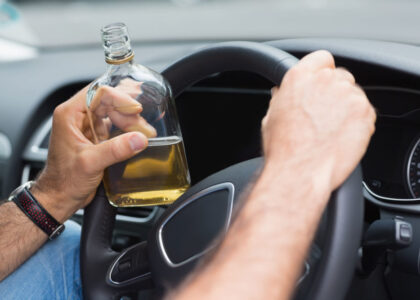
Driving under the influence in Florida is not just risky; it’s one of the most dangerous things you can do. Florida DUI consequences are severe, including the suspension of your driving privileges. We’ll guide you through getting your license back, which includes obtaining FR-44 insurance.
Do you occasionally drive a borrowed vehicle and have a suspended license? If so, you must file an Oregon non-owner insurance certificate (an SR-22 form) to regain driving privileges. This blog post tells you what you should know to reinstate your license when you don’t own a car.
There’s much to consider when buying a new vehicle, including how to pay for it (finance, lease, upfront payment) and getting the required insurance coverage for new cars. Insurance coverage for new cars can be more complicated for drivers needing SR-22 or FR-44 insurance. If your current insurance policy is inadequate, a licensed high-risk insurance provider will guide you through getting the necessary insurance with an SR-22 or FR-44 certificate filing.
When you don’t own a vehicle and want to reinstate your driver’s license, do you know what kind of insurance you’ll need? For license reinstatement, you must buy an auto insurance policy with a non-owner SR22 or non-owner FR44 certificate endorsement. In Florida, there are differences between the two certificates.