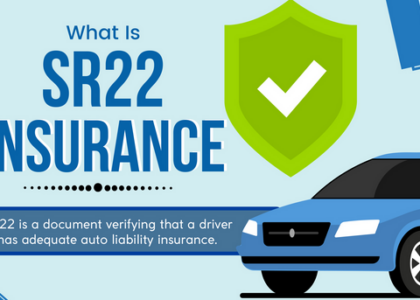
Take a quick scroll through this Infographic that describes what SR-22 insurance is, why people need it, and how to get it. Our experienced high-risk auto insurance experts are ready to answer your questions right now. We’ll help you quickly reinstate your driver’s license in 34 states with an owner or non-owner SR-22 insurance policy.
Getting quotes from multiple high-risk auto insurance providers can be confusing. To reinstate your license, you’ll need an owner policy with an SR22 certificate if you own a vehicle or a non-owner SR22 insurance policy if you don’t. Our article explains what to know about comparing SR22 quotes so you can quickly file your SR22 certificate in Florida.
A court, a probation officer, or the state may order you file a Florida SR22 certificate to reinstate your license. Whether you own a vehicle or occasionally drive a borrowed car, you’ll need to file a proof of insurance certificate to get back behind the wheel.
Filing SR-22 insurance can sometimes be a challenging process. So it helps high-risk drivers to understand the process of reinstating their license after a suspension for non-drug and non-alcohol-related convictions. To get started, look at this simplified guide to the basics of SR-22 insurance in Virginia.
Wondering how people become high-risk drivers? If someone has a history of getting multiple tickets or at-fault accidents, insurance companies consider them riskier to insure. That’s why they must get a Florida SR-22 or FR-44 insurance to reinstate their licenses. Whether you’re already classified as a high-risk driver or want to avoid falling into that category, you can take steps to lower your car insurance premiums.
This Infographic debunks some common misconceptions about SR-22 auto insurance. It describes how the SR-22 certificate validates your auto insurance coverage, enabling you to drive legally after license reinstatement.
Drivers often need to get an SR-22 insurance certificate after a license suspension for traffic violations, DUI convictions, and legal judgments, to name a few reasons. SR-22 insurance allows drivers to get their driver’s license reinstated and its coverage benefits them in several ways.
Are you facing penalties for driving without insurance and seeking insurance to reinstate your license? Wondering what kind of insurance policy you need? SR-22 and FR-44 are high-risk insurance policy options for car owners, non-owners, and motorcycle owners. This auto insurance guide outlines standard, optional, and high-risk insurance choices that assure your compliance with state motor vehicle laws.
High-risk insurance refers to SR-22 and FR-44 insurance certificates. States require drivers to file an SR-22 or FR-44 form to prove financial responsibility before reinstating their license. A reputable insurance provider will attach one of these certificates to an auto or non-owner policy and file your certificate with the state.
All states require an SR-22 insurance filing and often an ignition interlock installation to reinstate your license after a DUI/DWI violation. In Florida and Virginia, drivers with a DUI conviction will need an FR-44 filing and an IID. This blog post contains critical information about SR-22 insurance and ignition interlock systems.
Whether your license was suspended when driving your own car or a borrowed vehicle, you’ll need Virginia SR22 insurance for non-alcohol/non-drug offenses. Non-owners SR22 certificates and SR22 auto insurance filings are key to getting back on the road safely and legally. Find all the details in this complete guide to SR22 insurance.
High-risk auto insurance and proof of insurance certificates can sometimes be complicated to navigate with no prior experience. A reliable auto insurance company must have certain qualities to help you get back on the road. Learn a few things to consider when filing SR-22 and FR-44 insurance in Virginia for license reinstatement.